RESEARCH HIGHLIGHTS
Children_first SCHOOL OBSERVATORIES
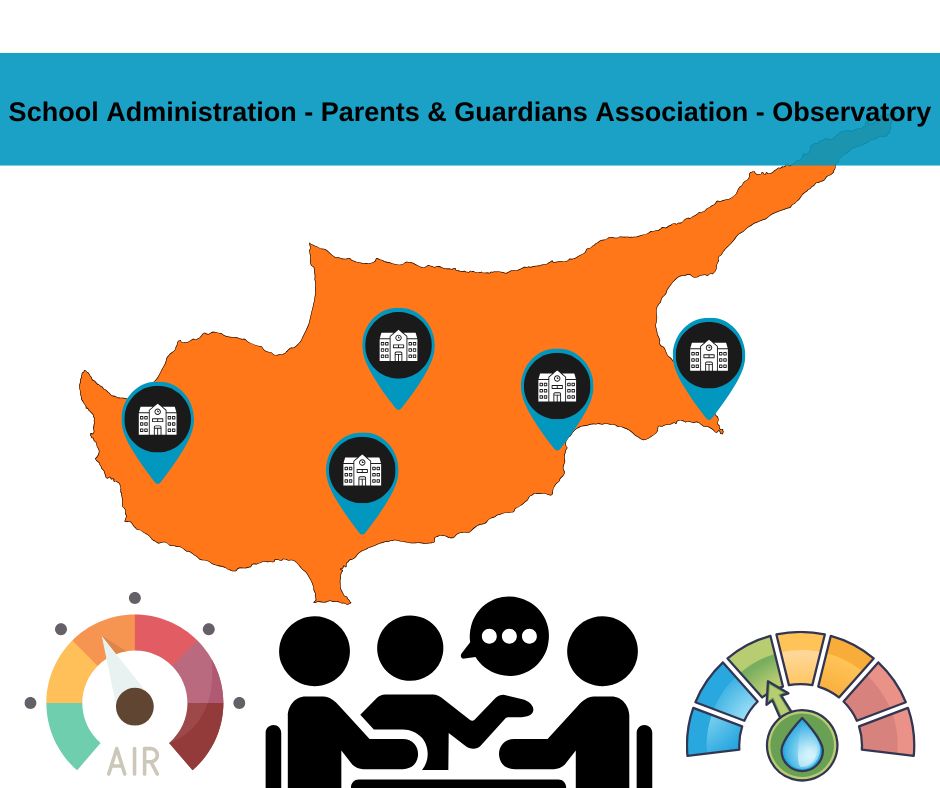
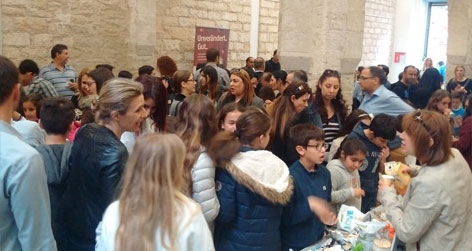
The Cypriot Children’s Health and Environment Observatory (CHILDREN_FIRST) is a scientific initiative coordinated by the Precision Exposomics and Health Lab of the Cyprus International Institute for Environmental and Public Health, within the Cyprus University of Technology in collaboration with the Center of Excellence for Biobanking and Biomedical Research of the University of Cyprus. The CHILDREN_FIRST Observatory is supported by the Ministry of Education, Sports and Youth and the Paediatric Society of Cyprus.
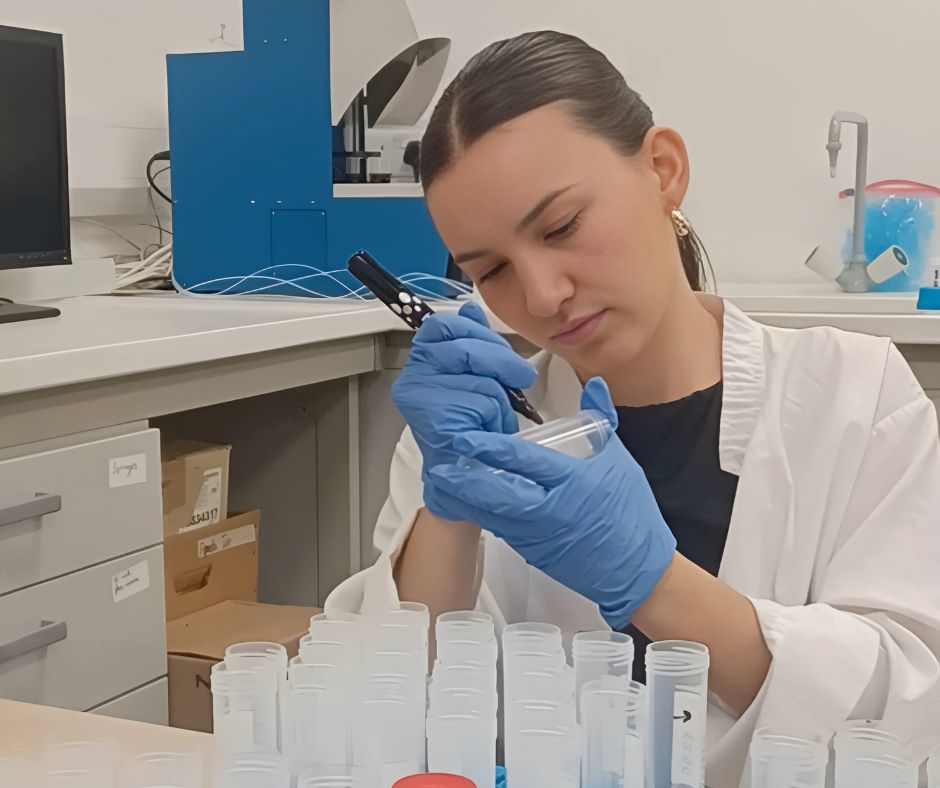
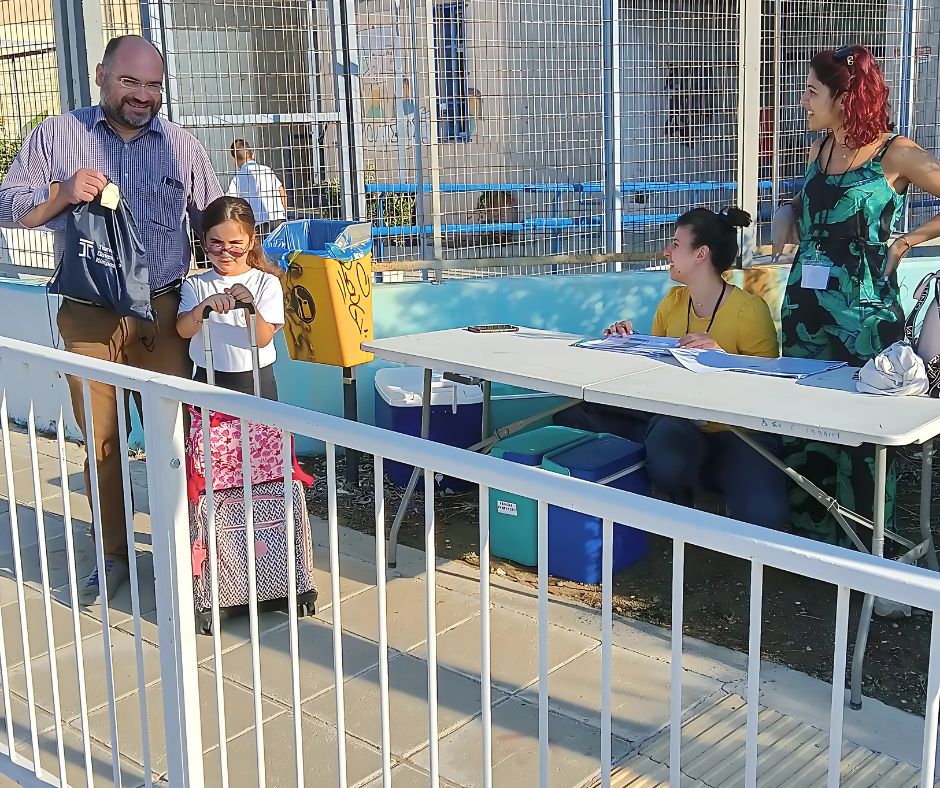
Astrasol Case
Brain Cancer Cluster Study: After 10+ years of scientific investigations on the association between dichloromethane exposures and brain/CNS cancer around a point source of pollution (Astrasol case in Latsia, Nicosia, Cyprus), the case was evaluated in Court in 2017. Our Lab team’s work helped the Court to reach a winning decision for the cancer affected population that was residing around the point source of pollution. This is the first general population study that linked dichloromethane exposures to brain/CNS cancer incidences via a cancer cluster methodology. It is also the first court case in Cyprus that is won for an environmental pollution and health case. After more than 15 years of ongoing litigation, the case is currently examined by the EU Court of Human Rights-decision due soon.
Organiko Life+
Effectiveness of Pesticide-Free Organic Food Intervention in Protecting Children’s DNA and Lipids.
The children’s health trial with organic food (pesticide free meals and snacks) intervention treatment showed its effectiveness in reducing biomarkers of oxidative stress and inflammation in primary school children (n=150 children).
latest news


What we do
History of Lab
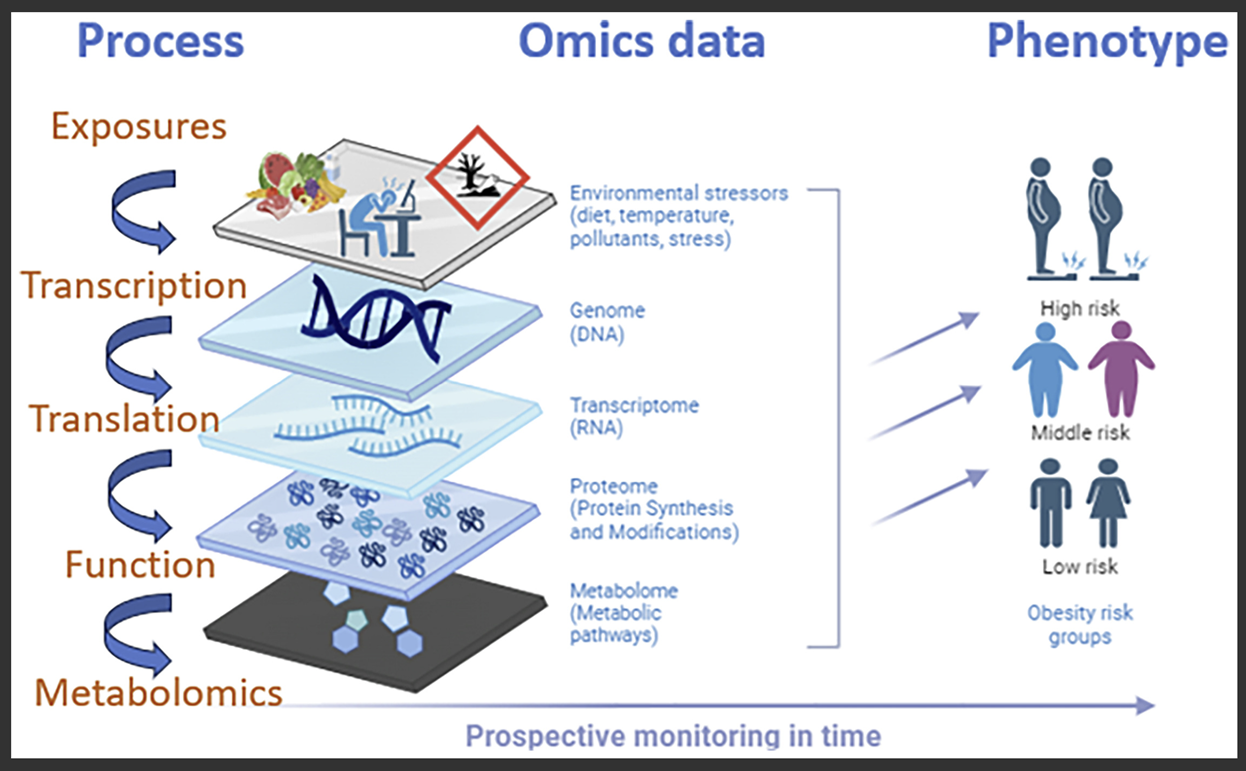
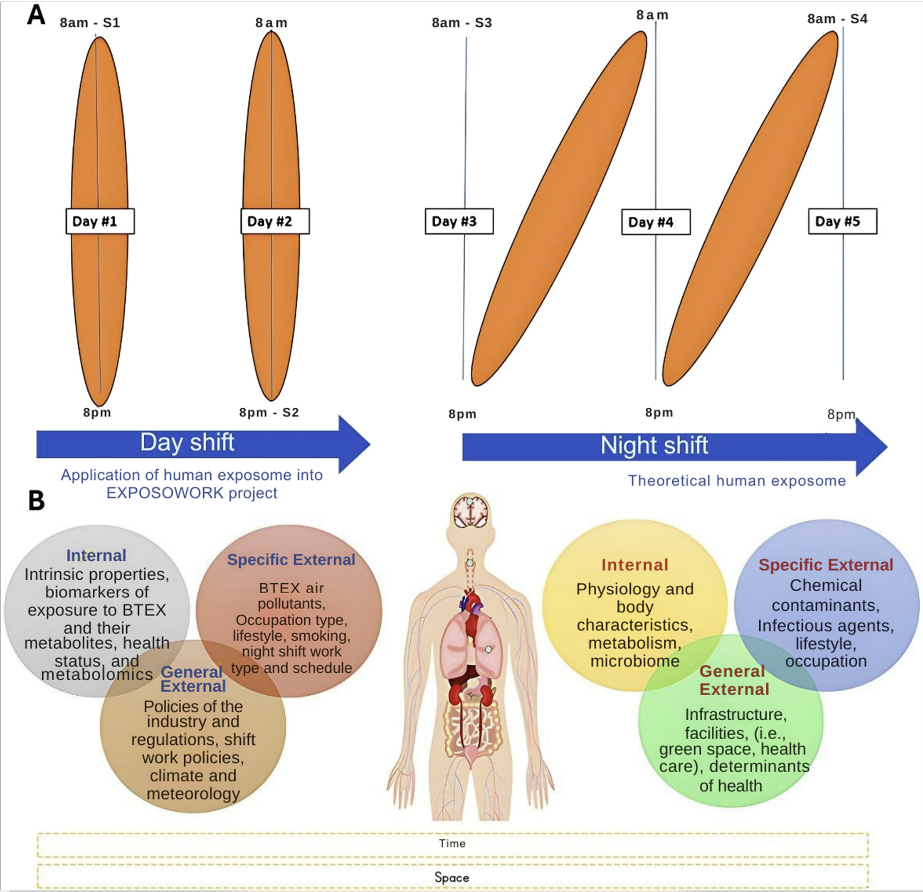
Prof. Makris’s Laboratory was first established in 2008 under the name Water and Health. It took its name due to the strategic focus of the Institute (CII) and the issues of drinking water and health that were long-standing in the Eastern Mediterranean region. Since then, global changes in environment and health patterns called for holistic approaches towards tackling environmental and public health challenges. Our laboratory has been gradually, over the last 10+ years, incorporating the principles and tools of the Human Exposome concept into our research and educational activities. Thus, it became obvious that the comprehensive characterization of environmental exposures towards an improved understanding of the chronic disease process requires the integration of all involved exposure sources and pathways and the endogenous biological response, i.e., the totality of the Human Exposome utility. The methodological framework of the Human Exposome and its exposomics tools offer a new paradigm for the better understanding of the chronic disease process. The Human Exposome has been studied in our laboratory since 2012 and more intensively in recent years. We will continue doing so, reflecting the pressing societal challenges of public health.

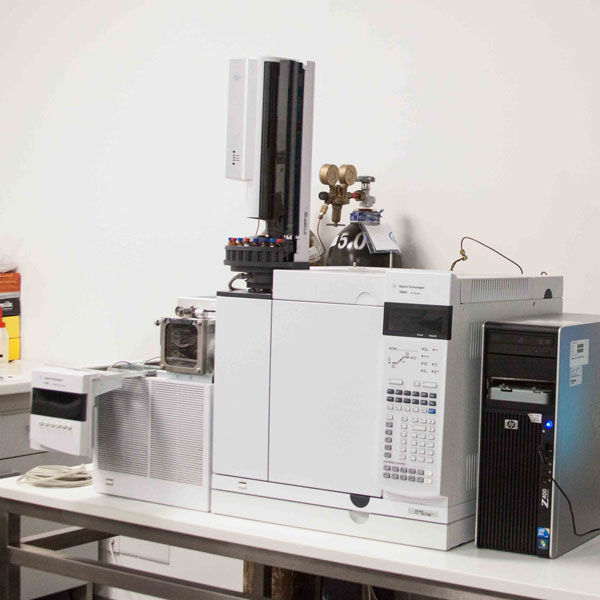
Biomarkers mass spectrometry unit
Agilent Gc-ms/ms Triple Quadrupole Mass Spectrometers
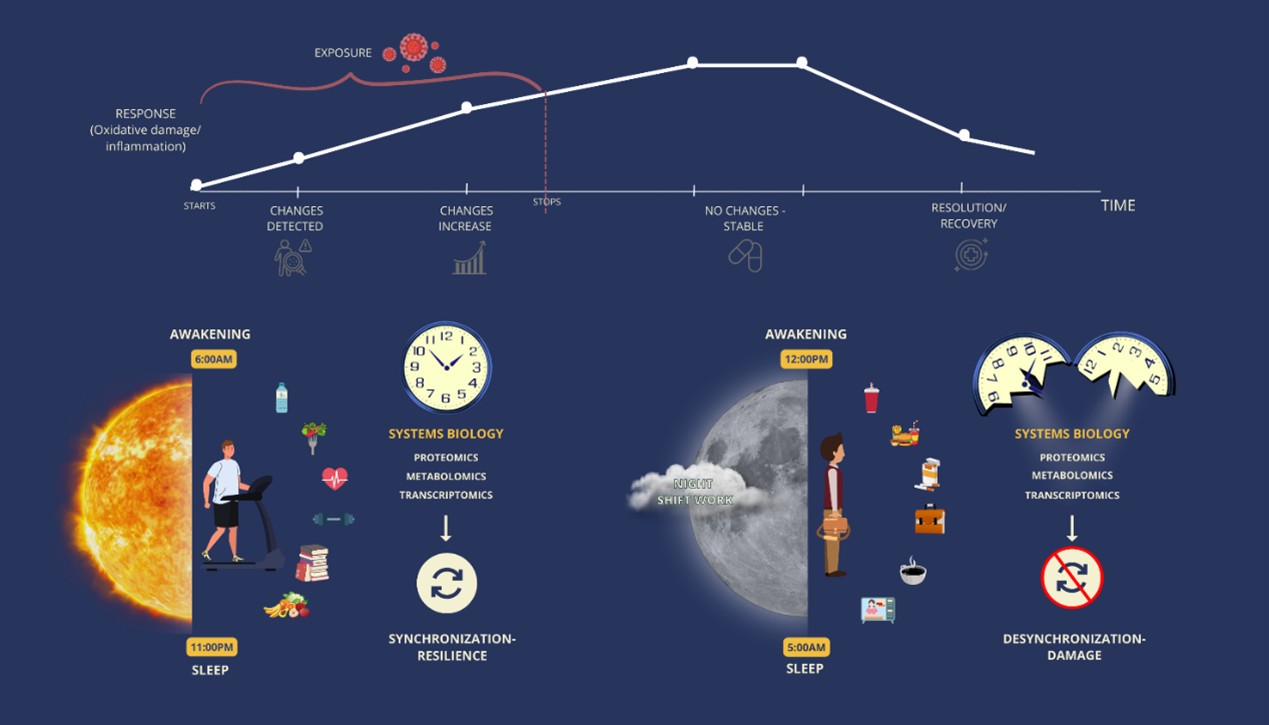
The Biomarkers Mass Spectrometry Unit is a state of the art mass spectrometry facility specializing in human biospecimen-based biomarkers. The biomarkers typically employed, refer to those of biomarkers of exposure to a suite of environmental stressors, including biomarkers of circadian rhythm, such as melatonin or cortisol, and biomarkers of effects, such as those markers of inflammatory response or those corresponding to oxidative stress and tissue damage, or DNA damage.